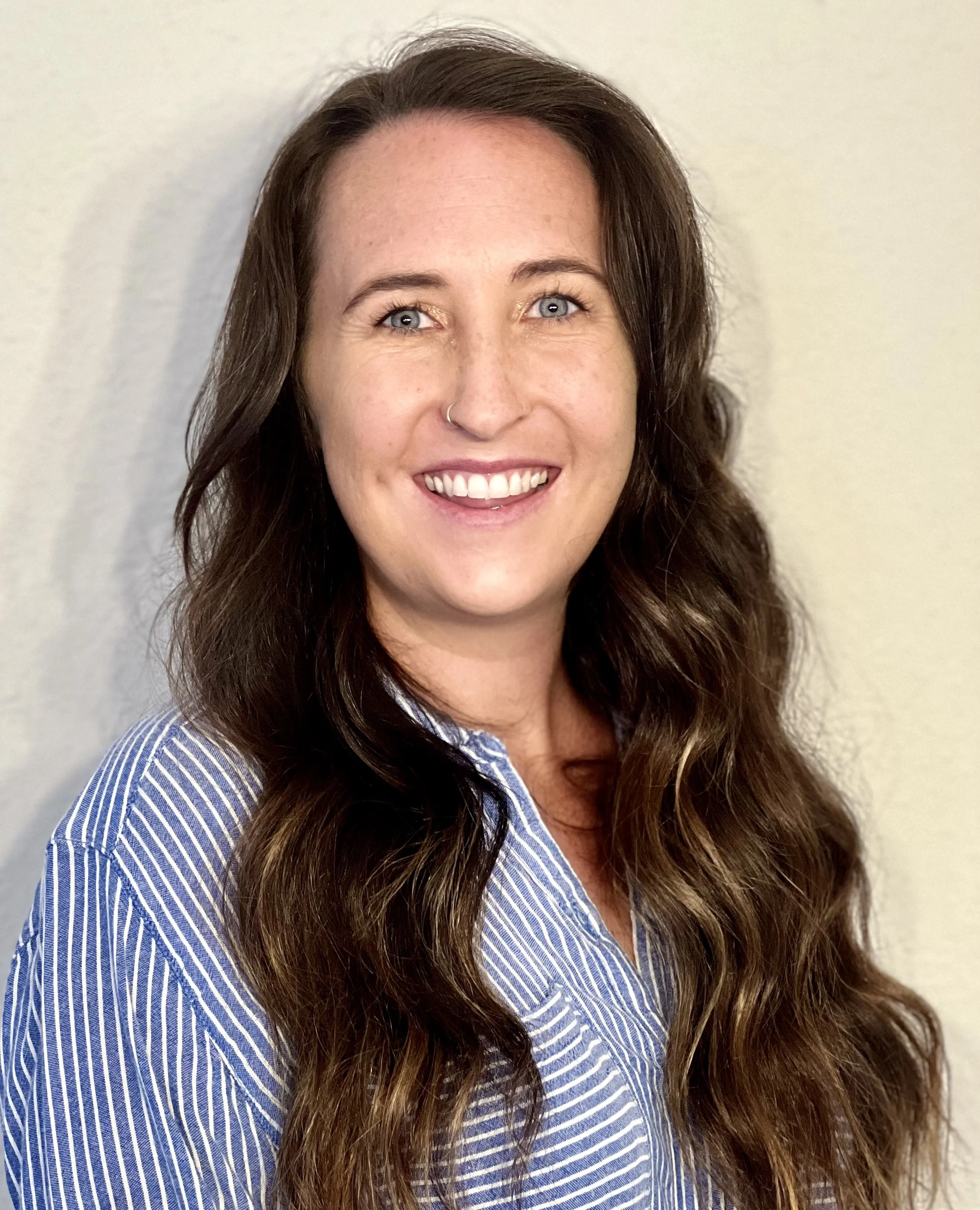
About Emily
Born and raised in the Eastern Sierra of California, I grew up in small communities where limited resources and neighbors looking out for each other weren't just a way of life — they were a necessity. That shaped how I think about public health long before I knew where my career would lead me.
My original plan was medical school. A biology degree from San Francisco State University was the first step — but volunteering with a global health nonprofit across Central America changed the direction entirely. Working alongside communities on medical, dental, and public health outreach, it became clear that the most impactful work wasn't individual treatment — it was building the data infrastructure and evidence base that determines whether communities get resources at all. That realization led me to graduate school and eventually to Malawi, where I wrote my MPH thesis for the Keck School of Medicine at USC while helping a local NGO convert paper-based records into structured, grant-ready data.
Less than six months after graduating, I was back in California navigating COVID-19 pandemic response. It was a fast and unforgiving education in applied epidemiology — the kind that builds instincts you can't get in a classroom.
That work brought me back to the Eastern Sierra as the first — and only — epidemiologist at a rural local health department. Six years later, I still believe rural LHJ practice is where some of the most meaningful public health work happens. The teams are lean, the problems are real, and the culture of collaboration — departments sharing openly, showing up for each other, figuring it out together — is unlike anything else in the field.
Today I take on consulting work with health departments, bringing the same practical and data-driven approach regardless of jurisdiction size or geography. My core expertise is with local health jurisdictions navigating complex data challenges with limited capacity — but the skills translate. Whether you're a small rural department that needs a full data partner or a larger agency looking for targeted epidemiological support, the approach is the same: practical, rigorous, and built around what your team actually needs to get the work done.